
What is a Drawloom?
Ancient Weaving Technology and My Week at Vavstuga

I had the honor of being able to attend Vavstuga’s Drawloom ABC course. I’m still dreaming of it! It was definitely the highlight of my year! (Okay, my wedding too…) This 5-Star resort for weavers was an ocean of looms, knowledge, and books. But, what is a Drawloom? Why do we care about these looms? Why did I leave for a week to learn about it?
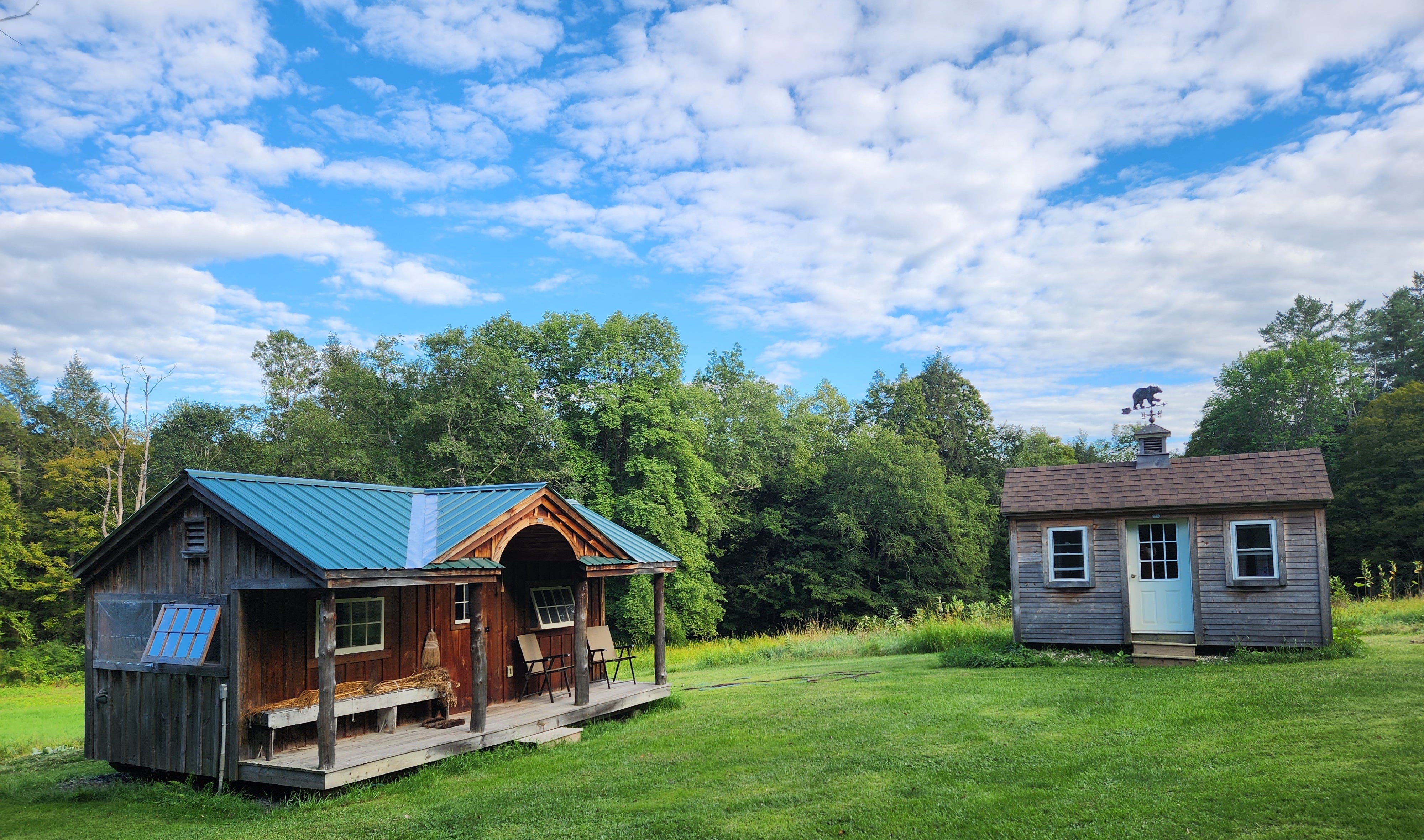
What if I told you these puppies powered thousands of years of weaving, yet we seem to have nearly forgotten about them today. In general, our society has become so divorced from the world of textile production has led to a severe lack of understanding of the skills, processes, and appreciation for textile arts. While it might be frustrating others might not know what they are looking at and why it’s special, it leaves an opportunity for us to share these skills as if it’s new!
What is a Drawloom?
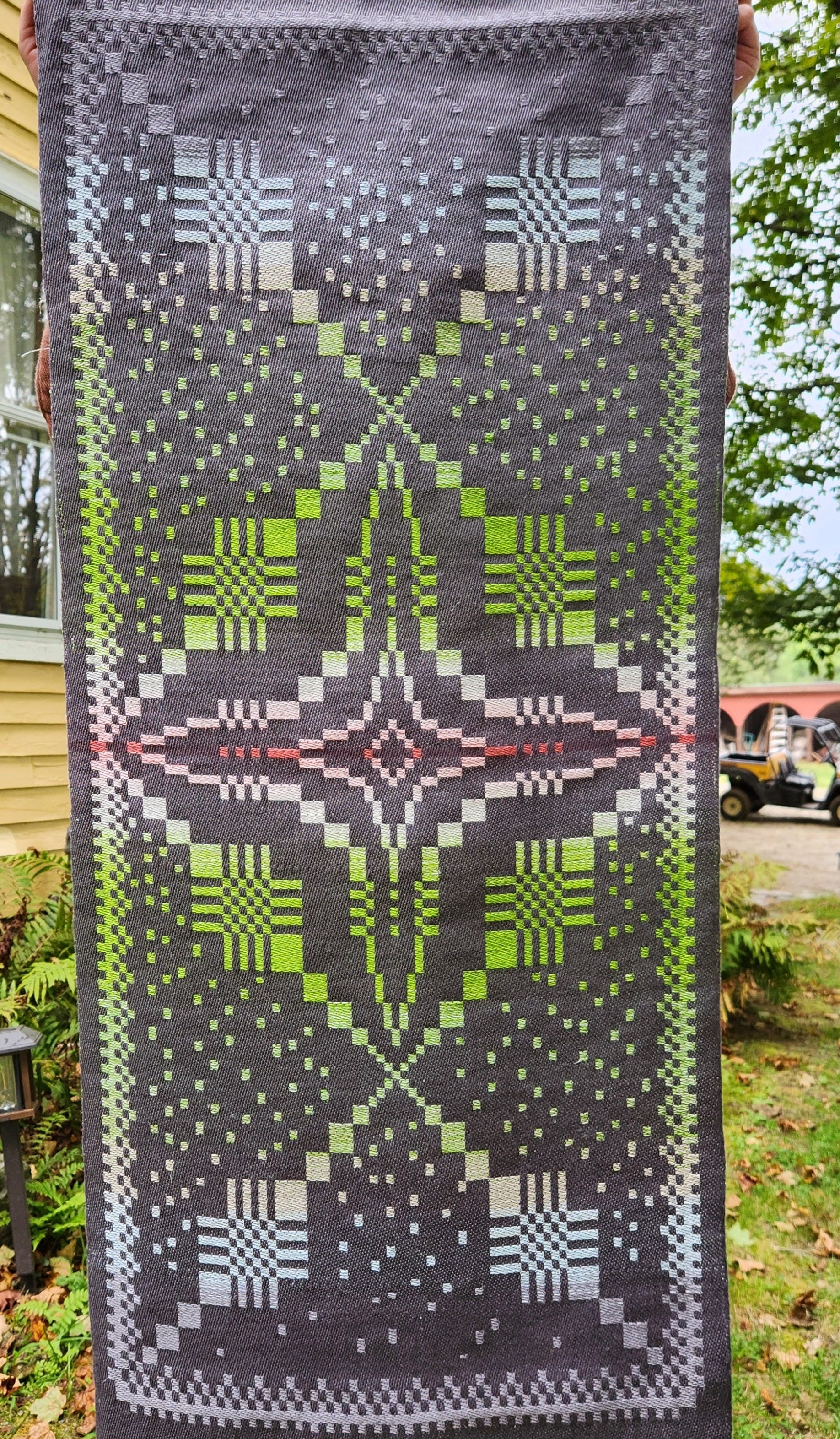
A drawloom refers to a loom with a pattern attachment device, this makes it consisting of ground and pattern harnesses. When we refer to the ground harnesses, these are the shafts anybody would see on a loom, these are the harnesses making the plain, twill, satin patterns we’re used to seeing on my most looms. The pattern harness are additional harnesses that weavers pull to activate, allowing us to reverse the pattern in the warp by pulling a pattern shaft, thus creating a fabric called Damask.
Damask:
A Self-patterned weave with one warp and one weft in which the pattern is formed by a contrast of binding systems. In its classic form it is reversible, and the contrast is produced by the use of the warp and weft faces in the same weave… 1
Doesn’t make sense? No worries, photos help.


Pretty simple! (Ha…) If you’re really interested in more detail, please watch Amy Blair’s, “Drawloom Mechanics 101: Damask”. She explains the mechanics in more detail than I would even want to attempt.
The Part Where I Geek Out About History…
These looms fueled and inspired thousands of years of weaving. The earliest evidence of ‘pattern’ techniques dates back over 2,000 years to the Han Dynasty and through various regions along the silk road, though the drawloom reached its most advanced form by the Tang Dynasty in the 7th century CE.2 34 These complex fabrics that built fortunes and dressed royalty were a powerhouse long before the Jacquard loom arrived in 1801. These fabrics were complex, highly sought after, symbols of wealth. If we were to look into these silk weaving workshops from 1612 in Amsterdam, a description like this could emerge:
“…35 pieces of kaffa of various qualities and colours, different types of wound and unwound silk, 10 looms, warping mills and a gumming frame… of 10 looms in the house: two were empty and the other eight were being used for weaving. From the prescence of a total for 27 harnesses for kaffa looms and 26 bundles of simple cord, it is clear kaffa, a figured velvet was being woven there on drawlooms.”5


You have to admit, woven items like these are stunning pieces, all made on looms before computers and Jacquard Looms. Yet, we as a society have forgotten about the methods of production. Whether you’re using a weaving sword or a Drawloom, it’s clear there are few but impactful resources on the topics. (Resources down below!)
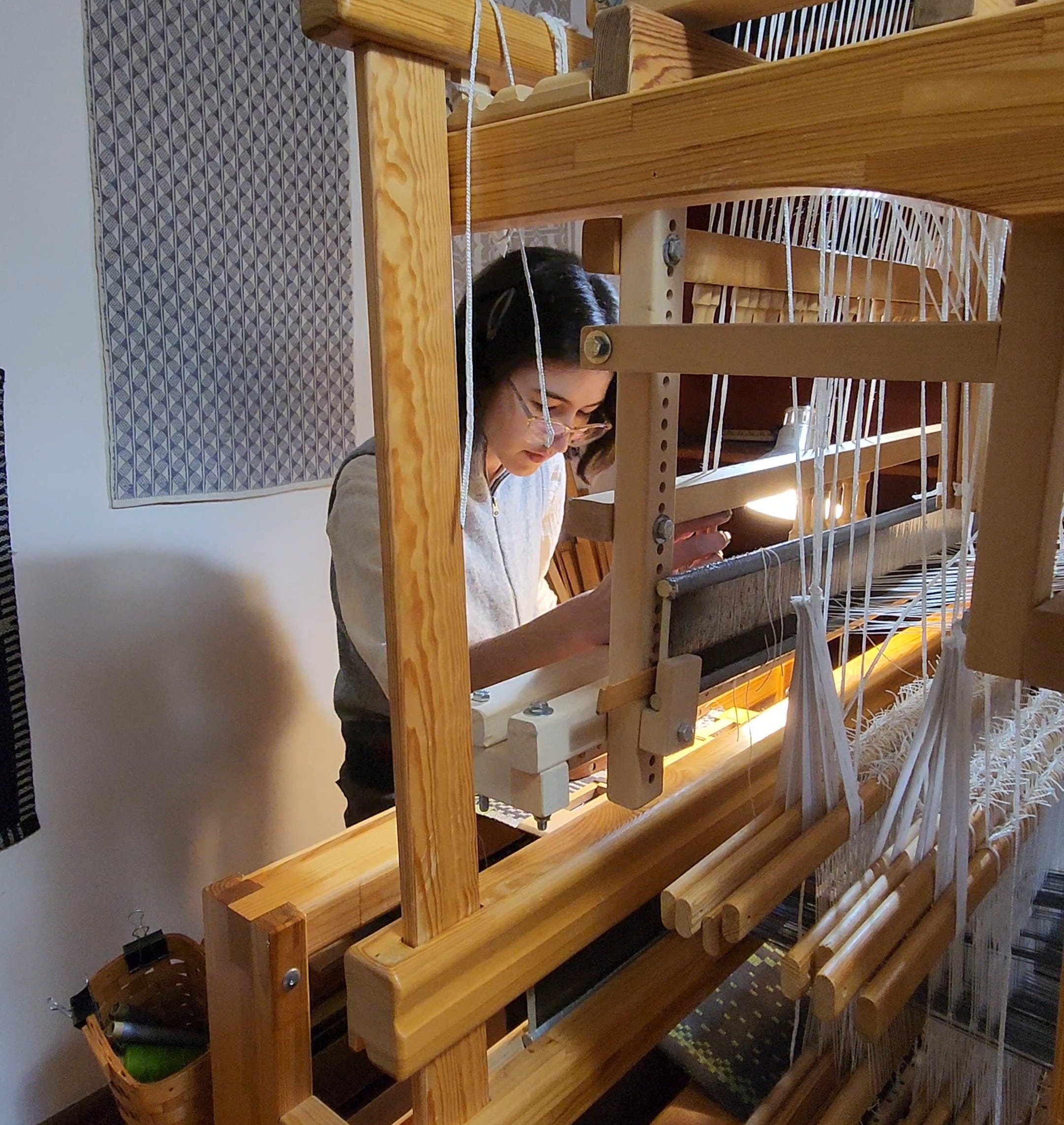
Let’s talk cost for a second. Yes, weaving is expensive. I’m not going to sugarcoat that. A drawloom is definitely an investment. But here’s the thing: I think we’ve fallen into this trap of believing ‘I can’t weave that without an expensive computerized loom,’ and honestly? History proves it doesn’t have to be.
Drawlooms offer incredible value compared to computerized looms, giving you access to complex designs without the computer headaches, electrical demands, or tech support nightmares. (Not dismissing computer looms, they’re fantastic! But let’s acknowledge what older technology can do.)
And the more I dig into weaving history, the more I realize how much knowledge we’ve lost. John Becker’s book on looms describes complex textiles woven on what we’d consider ‘simple’ looms, yet these fabrics were highly sought after, created without any of the fancy equipment we assume is necessary today. Ann Nygard’s book even shows you how to build your own drawloom.
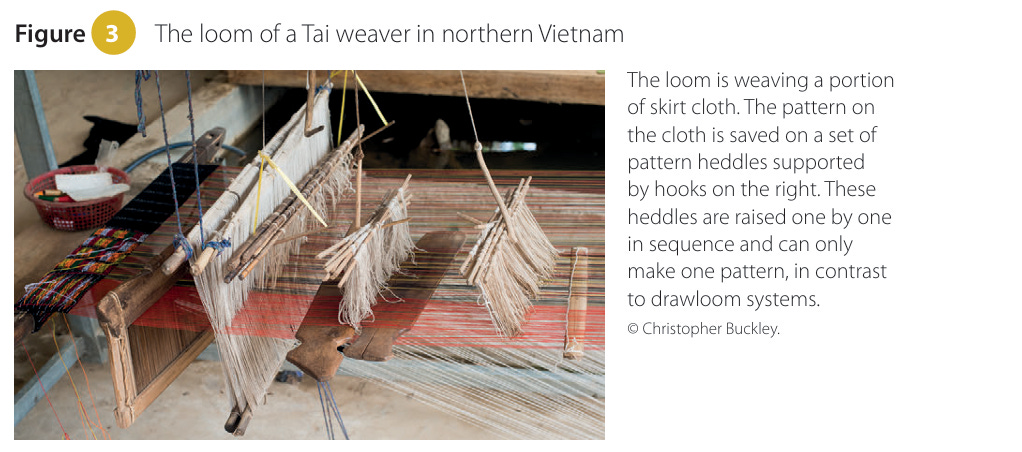
Christopher Buckley has a chapter on drawlooms with quite a few different drawlooms from different regions similar to the ones above.6 They are not these large, towering, looms I have been used to, but they work! I look forward to reading more about them and sharing it with you all.
What I’m really trying to say is this: the loss of weaving knowledge has made textile production seem more cost-prohibitive than it actually is. (Are we as weavers more focused on the aesthetic of our weaving areas and looms or the work itself?) There are ways to mitigate costs and alternative methods, we just need to be open to them.
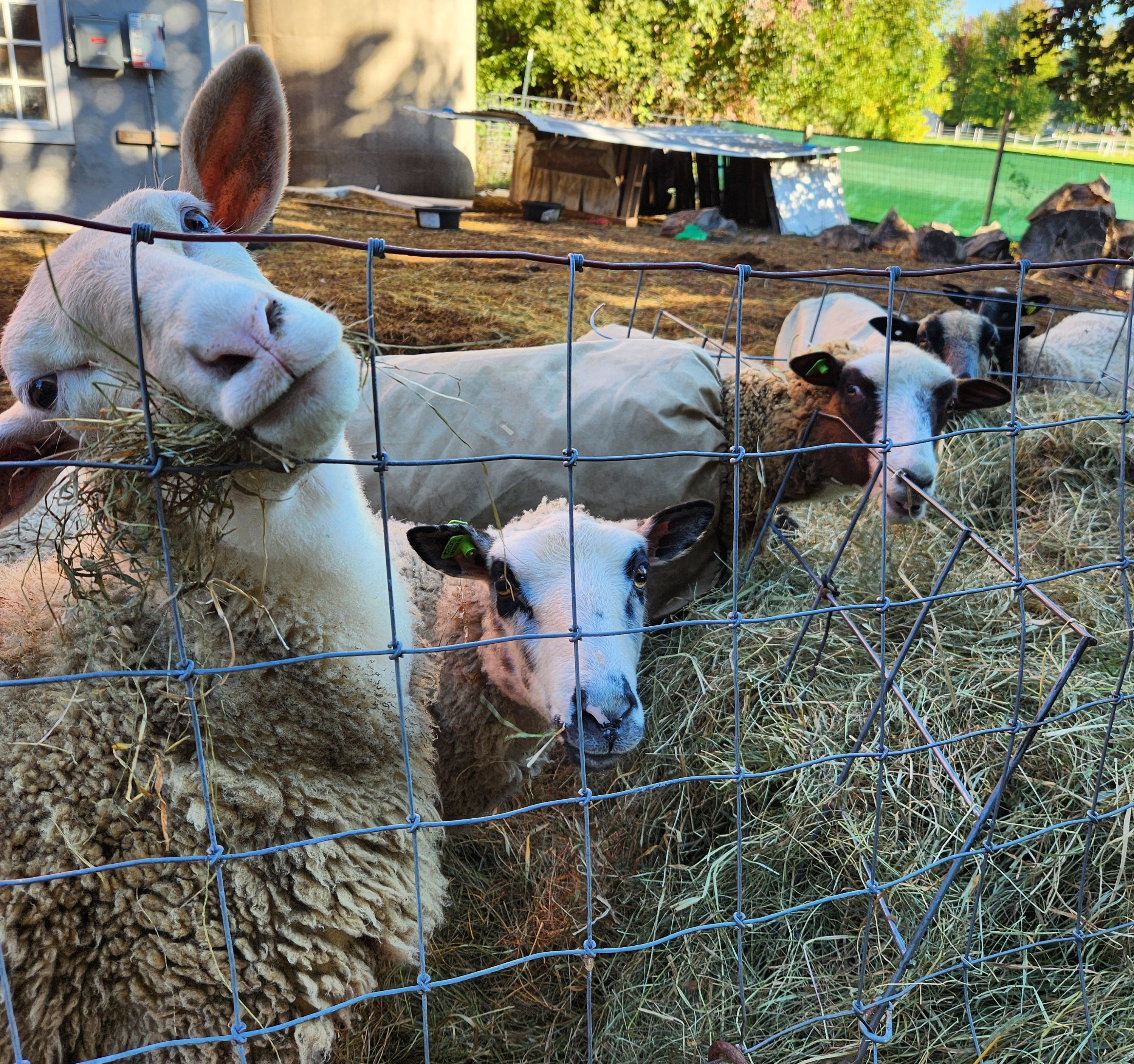
Thanks for joining me for a little geek out session! I don’t think I realized how much of you all were actually reading my posts, thank you for your support. I hope I’m at least entertaining and sharing something worth your time. Just for that, photo of Kettle Moraines Farm Shetland Ewes:
Resources:
When a Single Harness Simply Isn’t Enough – Sara von Tresckow.
Dueling Rabbits - Amy Blair
Manual of Swedish Handweaving - Ulla Cyrus Zetterstrom
Damask and Opphamta with Weaving Sword or Drawloom - Lillemor Johansson with Appendix by Amy Blair and Becky Ashenden
Weaving Damask - Ann E Nygard
Pattern and Loom - John Becker - Pattern-and-Loom.pdf
When a Single Harness Simply Isn’t Enough – Sara von Tresckow.
Drawlooms Along the Silk Road - Christpoher Buckley https://www.researchgate.net/publication/364326164_Drawlooms_along_the_Silk_Roads
China Silk Museum - https://www.chinasilkmuseum.com/yz/info_98.aspx?itemid=26752
Model Looms Are Missing Link in China’s Textile History - https://www.smithsonianmag.com/smart-news/model-looms-are-missing-link-chinas-textile-history-180962990/
When Weaving Flourished: The Silk Industry in Amsterdam and Haarlem 1585–1750 - pg. 27
Drawlooms Along the Silk Road - Christpoher Buckley https://www.researchgate.net/publication/364326164_Drawlooms_along_the_Silk_Roads
I've been thinking about getting a draw loom someday! The courses at Vavstuga seem so perfect and might be a dream of mine to own a "weaving B&B" :D
I took the drawloom course this past May. Vavstuga is amazing!